
It is worth noting that modern TVs typically support a maximum video display frequency of up to 120 frames per second. Starting in 2025, some models may offer a refresh rate of 144 or even 165 Hz in gaming mode when receiving a signal from a computer via HDMI.
In general, TVs can be divided into two main categories. The first group supports up to 60 frames per second, and the second up to 120 frames per second. This difference is determined by the capabilities of the display panel itself, since its maximum operating frequency is limited by the frequency at which visual artifacts begin to appear on the screen.
Motion Rate vs Refresh Rate
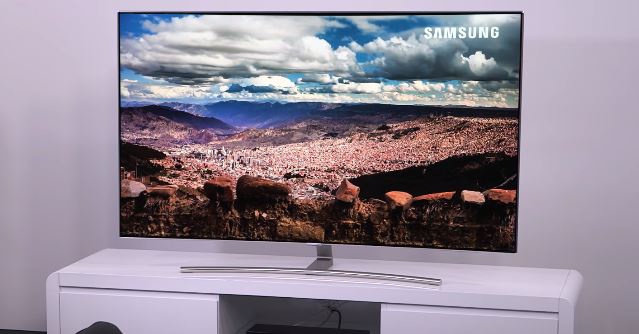
In the specifications of Samsung TV sets you can see two designations Motion Rate and Refresh Rate are completely different indicators. And we note that recently, not to confuse buyers, Samsung is modestly not mentioning these parameters. But these are some of the main parameters that can immediately show the level of the TV.
Motion Rate – this parameter does not reflect the actual frequency. It says only that the TV has various programs to improve picture quality. And visually, motion scenes appear as if you were watching a video at 240 frames per second. This is a laboratory figure, you could say invented by real measurements impossible to measure.
Refresh Rate is the actual frame rate, the maximum frequency at which the TV can display video.
How to find out the maximum frame rate of your Samsung TV
If your TV’s specifications list a Motion Rate value, divide that number by two to determine the maximum frame rate your TV can display. For example, if the Motion Rate is 240, then 120 frames per second is the maximum value that the screen can display. Samsung often lists the actual display frame rate (Refresh Rate) directly in the specifications.
You might think that if you played a 120Hz video on YouTube and it seemed to work, then the TV was displaying all 120 frames. In fact, TVs are capable of processing high frame rate video, but most models still only display 60 frames per second. One frame is simply discarded, so when 120 frames are received, 60 frames are transmitted to the display.
A similar situation occurs when using HDMI. The transmission port adapts to the capabilities of the receiving port, and although the TV’s HDMI inputs may support 120Hz signals, the display panel itself may still be limited to 60Hz.