

HDR10, HDR10+, HLG, and Dolby Vision, What’s the Difference?
As digital video evolved, resolution and frame rates increased, but image quality remained limited for a long time. Standard video (SDR, Standard Dynamic Range)...
PQI Picture Quality Index Samsung TV
PQI (Picture Quality Index) is Samsung’s proprietary picture quality rating used in the specifications of some older TVs. It is not a refresh rate...
What Is Ultra Color Spectrum on Vizio TVs?
Ultra Color Spectrum is Vizio's marketing name for a wide color gamut: a TV display that can show a wider range of colors than...

DLNA DMP / DLNA DMR / DLNA DMS/DLNA DMC, explanation of...
DLNA (Digital Living Network Alliance) is a set of guidelines that lets devices on one home network share and play videos, music and photos....
SUHD, QLED and Neo QLED Explained for Samsung TVs
Over the past decade, Samsung has used a variety of names for its premium TVs: SUHD, QLED, Neo QLED, QD-OLED, and now Micro RGB....
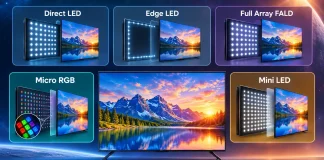
TV Backlight Types Explained, Direct LED, Edge LED, Full Array FALD,...
Backlighting is one of the key components of an LCD TV. Unlike OLED displays, an LCD panel cannot produce light by itself, so it...
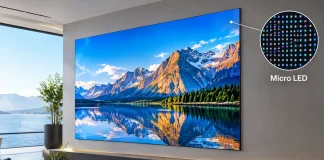
Micro LED Display Technology and Features
Micro LED is a display technology that uses microscopic light-emitting diodes (LEDs) to form an image. Each pixel consists of several dozen micro-LEDs, and...
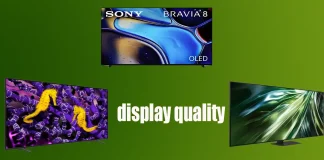
How to check display quality on a laptop, monitor, or TV
When buying a new laptop, monitor, or TV, you naturally want the device to perform well and be easy to use. One of the...

AI in TVs and Phones, which features really use AI?
AI has become an integral part of marketing for modern smartphones and TVs. Manufacturers advertise AI-powered processors, AI-powered cameras, AI-powered image processing, AI-powered audio,...
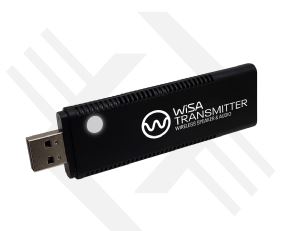
What Is WiSA in TVs and Wireless Speakers?
WiSA is a wireless audio technology designed for transmitting multichannel sound from a TV or another audio source to compatible wireless speakers. It was...