

Last updated: October 10, 2026
Apple does not provide support for its hardware indefinitely. Every product eventually falls into one of two official categories—“vintage” or “obsolete”—and it is this status that determines whether Apple or an authorized service provider will still be able to repair your device.
“Vintage” does not mean “antique.” In everyday language, “vintage” implies something very old. In Apple’s terminology, it’s merely an intermediate stage: a “vintage” product is a device that Apple stopped selling 5–7 years ago. Many “vintage” devices, such as the iPhone 8 or iPhone 11 Pro, are still perfectly suitable for everyday use. The designation that truly means “too old for official repair” is “obsolete.”
A product becomes “vintage” when Apple stopped selling it more than 5 but less than 7 years ago. It becomes “obsolete” when Apple stopped selling it more than 7 years ago. The count begins from the moment Apple last released the product for sale, not from the date of your purchase or the date of manufacture. As a rule, this happens six months to a year after production of a particular device model has ceased.
1. New Products (Under Warranty)
Devices such as iPhones, iPads, iPods, or Macs still covered by the warranty are considered “new.” This designation implies that if the device experiences any issues within the warranty period, Apple will repair it free of charge or replace it if repairs are not feasible.
If a particular model is no longer in production, Apple will replace it with a similar but newer model. For users, this means peace of mind during the warranty period, knowing they are entitled to free support and replacement options.
2. Current Products (Out of Warranty)
These are devices that are less than five years old from their date of manufacture or sale but are no longer under warranty. Such products remain fully supported by Apple, allowing users to access repairs and technical support at their own expense.
3. Vintage Products (5 to 7 Years Old)
Devices sold or manufactured between five and seven years ago fall under the “vintage” category. For example, if an iPhone was produced in 2014 but sold in 2015, its five-year lifecycle would conclude in 2020.
Owning a vintage Apple product means:
- Repairs may still be available through service centers, depending on the availability of spare parts. If parts are unavailable, repairs cannot be performed.
- Software updates during this period are rare, with devices receiving only minimal technical support.
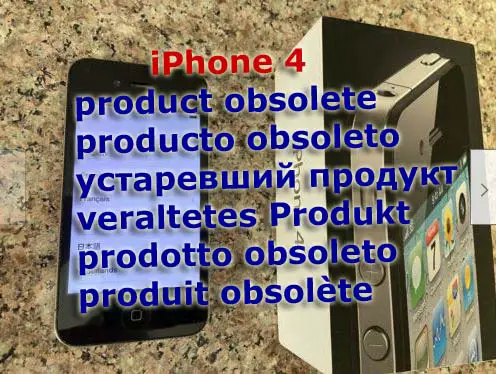
4. Obsolete Products (Over 7 Years Old)
Products that are more than seven years old are classified as obsolete. At this stage:
- Apple ceases all software and hardware support for the device.
- Service centers will no longer accept these products for repair.
- Repairing such devices often requires sourcing parts from third-party providers or similar used devices.
Apple considers devices older than seven years to be outdated to the point that most users no longer rely on them. The company concludes that continued support and repair for these products is neither practical nor economical.
On the secondary market, obsolete Apple products typically sell for only 1–10% of their original price, reflecting their diminished utility and support.
By understanding this classification system, users can better plan their purchases and manage their devices’ lifespans effectively.