
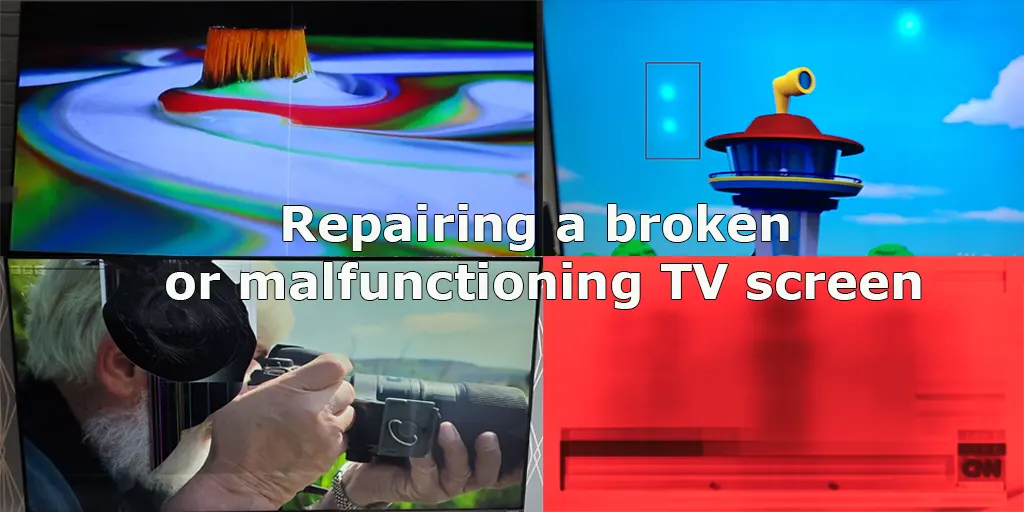
If a large modern TV suddenly stops working, a damaged display is one of the most expensive problems you can face. The TV may show no picture, develop lines or bright spots, or have visible cracks in the panel. This naturally raises an important question: is it worth repairing the TV, or is it better to replace it?
If the TV screen is physically broken and the television is no longer covered by a warranty or protection plan, replacing the panel is usually not economically practical. The display is one of the most expensive components of a modern TV, and the total repair cost can approach or even exceed the price of a new television.
However, not every picture problem means that the panel itself is broken. A faulty backlight, power supply, main board, T-Con board, or connection can produce symptoms that look like a damaged screen. Therefore, the first step is to determine exactly what has failed.
What Can Damage a TV Screen?
There are several types of damage and malfunctions that can affect a modern TV screen. Some require replacement of the entire display panel, while others can be repaired without replacing the screen.
Physical damage
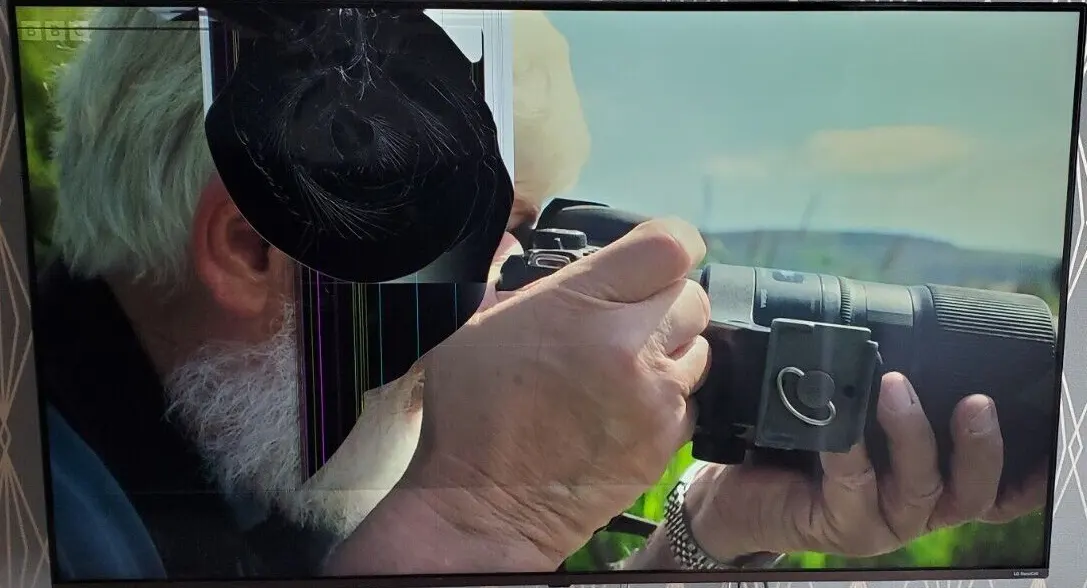
Physical impact is one of the most common causes of serious TV screen damage. A remote control, game controller, toy, piece of furniture, or an accidental bump while moving the TV can crack or shatter the panel.
Large-screen TVs are particularly vulnerable because their panels are thin and have a large surface area. Even a relatively minor impact can damage the internal layers of the display.
If the glass or internal structure of the panel is cracked, the display is generally beyond repair. In such cases, the entire panel must be replaced.
Burn-in
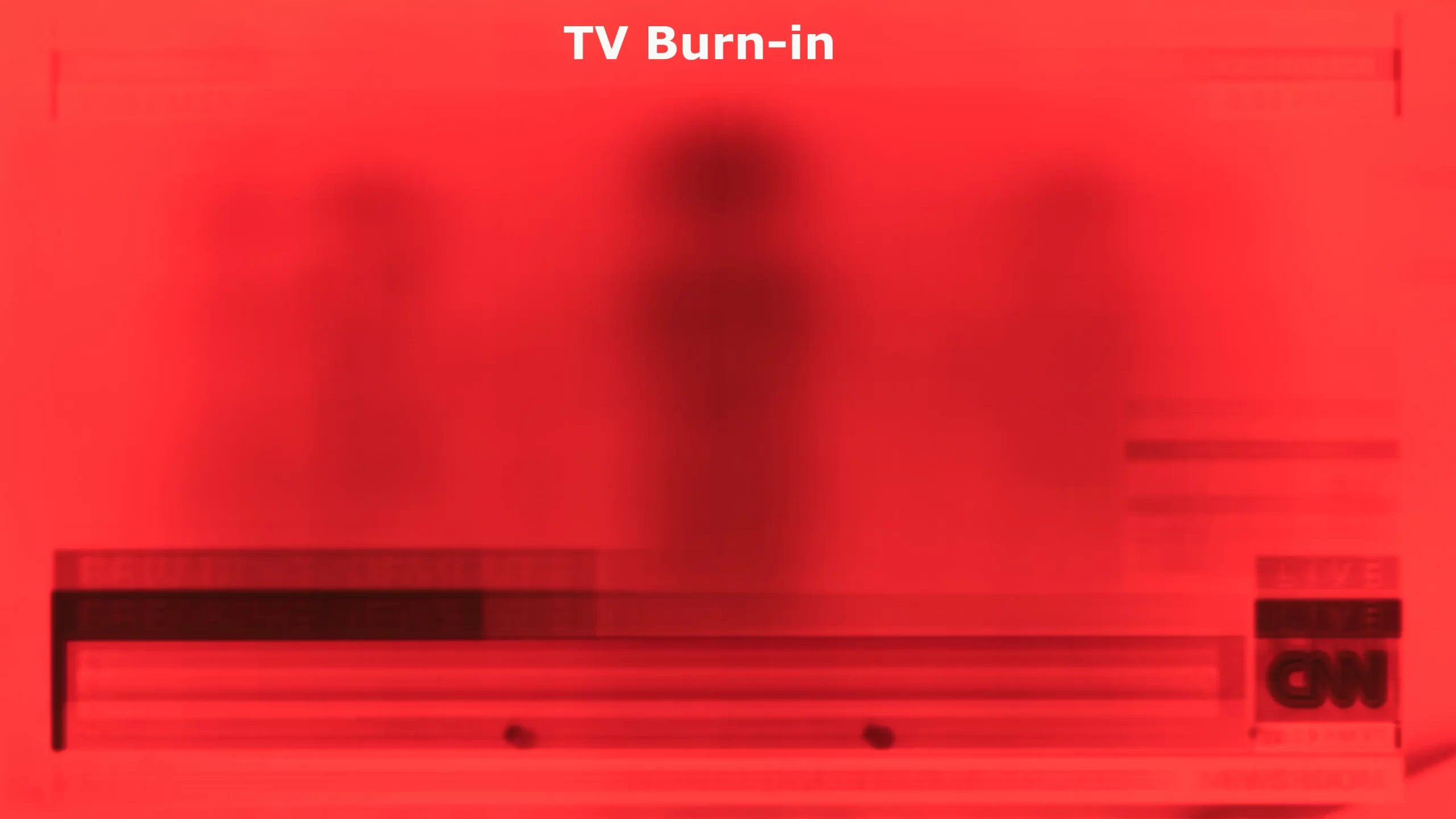
Burn-in is primarily associated with OLED TVs and older plasma displays. It occurs when static elements remain on the screen for a very long time and leave a permanent mark or ghost image.
Typical examples include TV channel logos, static interface elements, and video game graphics.
Modern OLED TVs include technologies designed to reduce the risk of burn-in. However, under certain conditions, permanent image retention can still occur.
Overheating
TVs generate heat during normal operation and require adequate ventilation. Poor ventilation, installation in a niche, placement near a radiator, or exposure to another heat source can cause excessive heating.
Overheating can damage electronic components, including the power supply, system board, display control circuits, and backlight. It can also cause image problems that appear after the TV has been operating for some time.
LED TVs should not be placed in direct sunlight, including on patios. Prolonged exposure to strong sunlight can cause black spots to appear on the screen and may damage pixels. Special outdoor TVs are designed with additional protection against sunlight and other environmental conditions.
Moisture and Humidity
Moisture can damage the electronic components and electrical connections inside a TV. Standard indoor TVs are not designed for use in damp environments or areas with high humidity.
Improper Cleaning
Using unsuitable cleaning products can damage the protective coating on a TV screen. Alcohol, ammonia, and other harsh chemicals can cause clouding, discoloration, or surface damage on some types of displays.
Always follow the manufacturer’s cleaning instructions and use products that are suitable for the specific type of screen.
What Can Cause a TV to Lose Its Picture Without Damaging the Screen?
A TV can stop displaying an image even when the display panel itself is not damaged. This distinction is important because replacing the panel is usually much more expensive than replacing a faulty electronic component.
Backlight failure
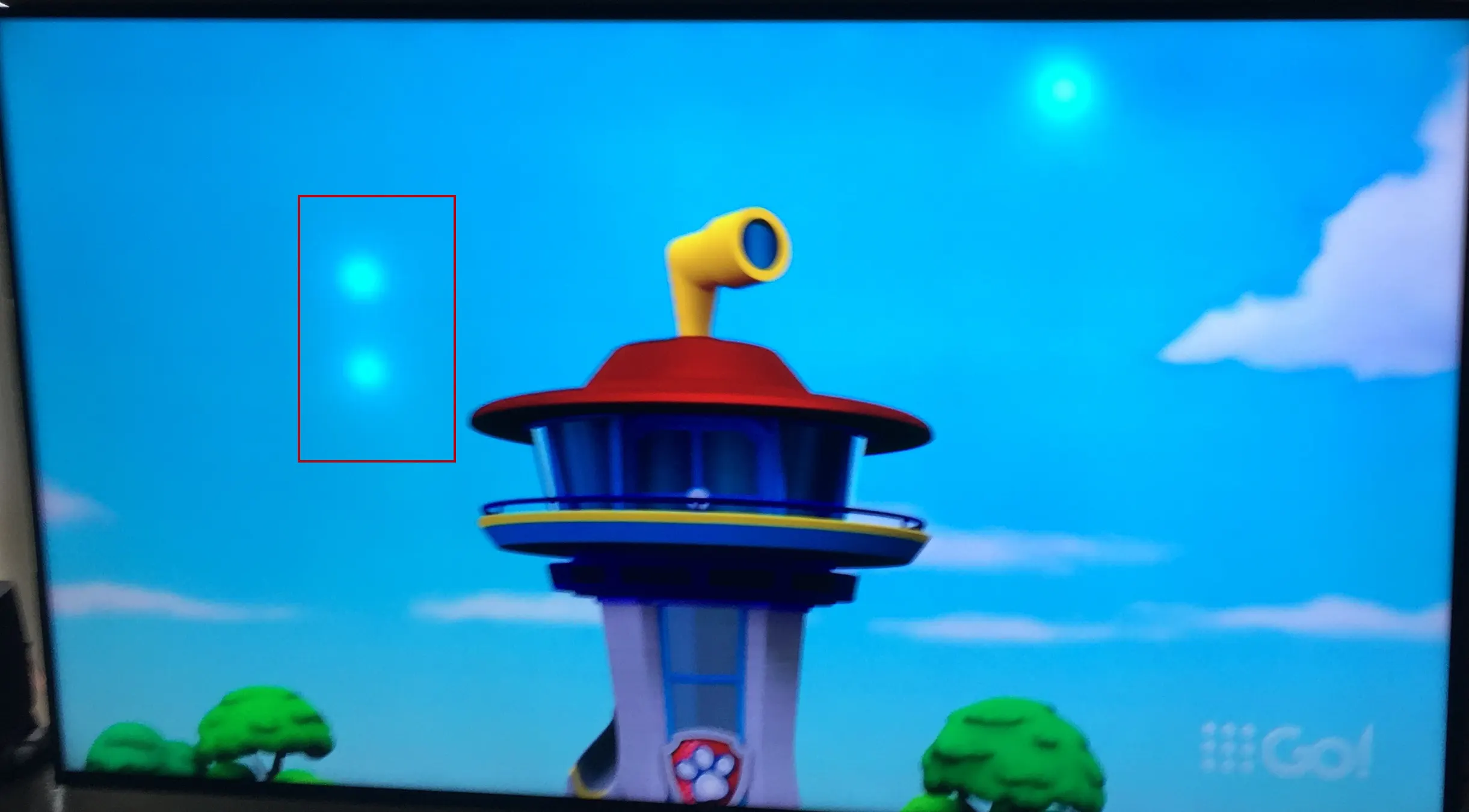
LED TVs use a backlight located behind the LCD panel. If the LEDs or LED strips fail, the TV may still produce an image, but the screen can appear very dark or completely black. The light-diffusing lenses can also become detached, resulting in bright spots on the screen.
A backlight failure does not necessarily mean that the LCD panel is damaged. In many cases, the LED strips can be replaced. However, this is a difficult repair because the display must be completely disassembled to access the backlight.
Power supply problems
The power supply provides the voltages required for the TV’s electronic components to operate. A faulty power supply can cause the image to flicker, produce a black screen, cause the TV to shut down unexpectedly, or prevent it from turning on at all.
Mainboard failure
The mainboard controls many of the TV’s functions, including video signal processing and communication with the display. A malfunctioning mainboard can cause the picture to disappear, become distorted, or exhibit other unusual behavior. Diagnosing a mainboard failure can be difficult, and in many cases the board must be replaced with a new one.
T-Con and display control problems
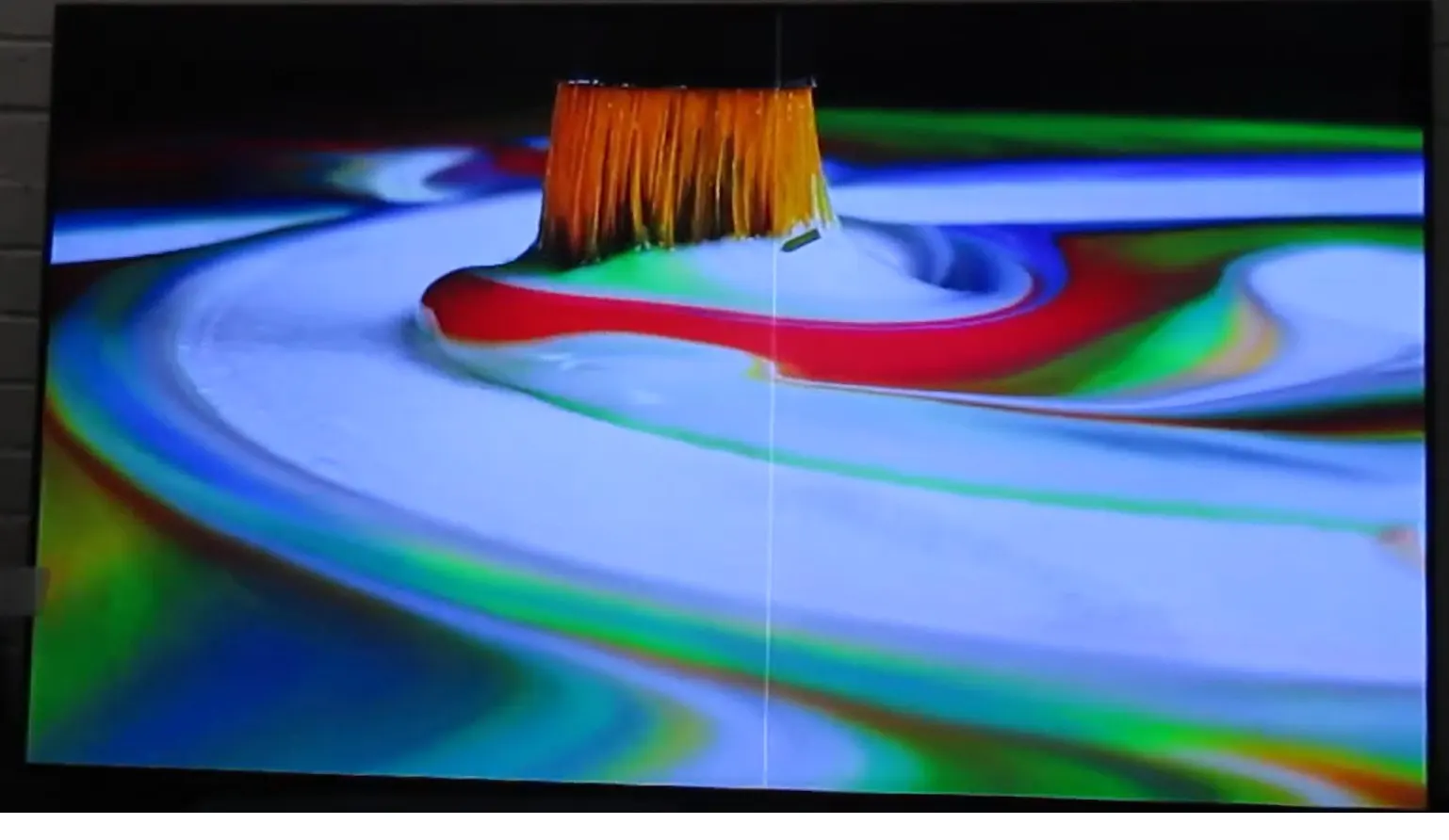
The T-Con board processes the video signal before it reaches the display panel. A malfunction can cause horizontal lines, image distortion, missing parts of the picture, or a completely blank screen. In these cases, replacing the control board may restore the picture without replacing the entire display panel.
Can a Broken TV Screen Be Repaired?
If a TV panel is cracked, shattered, or damaged internally, the panel itself generally cannot be repaired. Cracks in the glass and damage to the internal display circuitry cannot be restored by replacing individual components. In such cases, the display panel has to be replaced.
Although replacing a TV panel is technically possible, it is often not a practical repair once the warranty has expired. TV manufacturers generally do not sell display panels separately through normal retail channels. A replacement panel usually has to be ordered through a service center, which means waiting for the part to arrive before the repair can be carried out.
Replacing the panel is also a complex and time-consuming job. The TV has to be disassembled, the damaged panel removed, and the new one installed without damaging the frame, cables, speakers, circuit boards, or other components. Large-screen TVs are especially difficult to handle because they require sufficient workspace and usually need at least two people to safely remove and install the panel.
The final cost can include the replacement panel, labor, transportation, packaging, and diagnostic work. For a large TV, the total expense can quickly become comparable to the cost of a new television.
For this reason, replacing a damaged panel is often not economically worthwhile. In many cases, purchasing a new TV is a simpler and more practical solution.