
In digital devices, sound can be processed through software decoding. For instance, in some laptops, the central processing unit handles the decoding of audio streams. This requires specialized programs called codecs to ensure proper playback. However, relying on the CPU for audio processing can put a significant load on the processor and consume valuable system resources.
To alleviate this strain, manufacturers often employ hardware audio decoders. These can be dedicated chips integrated into the motherboard or separate devices with built-in audio processors. In this setup, audio processing is offloaded from the central processor to a specialized decoder that already contains the necessary codecs.
In the past, standalone audio decoders were common in desktop computers. In modern televisions, however, audio decoders are typically integrated directly into the motherboard. They can be developed by various manufacturers; for example, Dolby MS12 is a built-in decoder that supports standard codecs as well as Dolby formats.
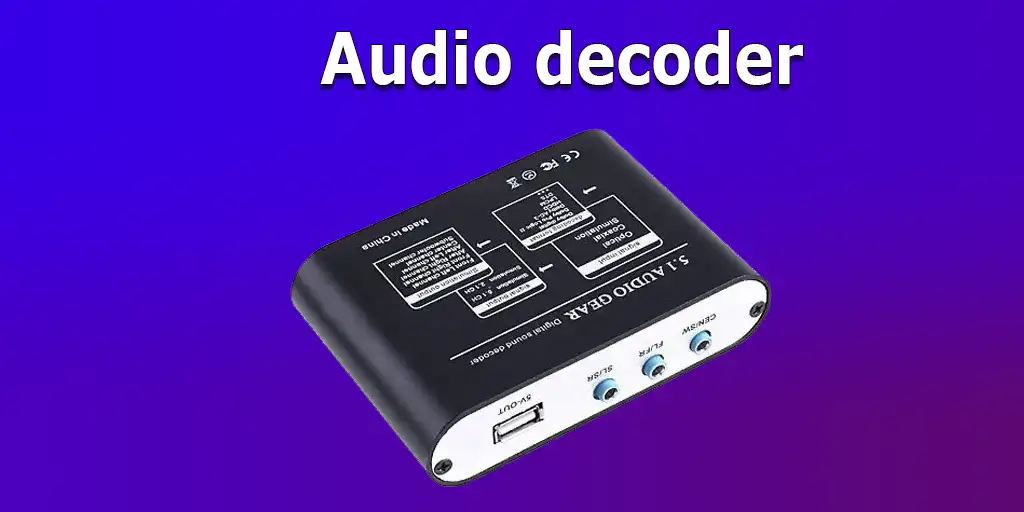
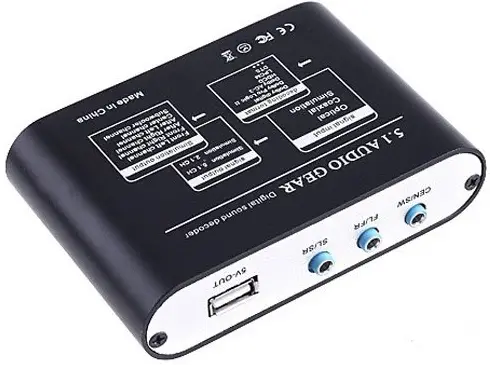
Such decoders can either be embedded as individual chips on the board or exist as external modules. External decoders are primarily used for connecting to speaker systems, processing digital audio signals from optical or HDMI sources, and converting them into analog signals suitable for playback through speakers.
Audio Decoder Formats
Separate audio decoder cards for PCs
In the past, standalone audio decoder cards were common in desktop computers. Today, however, they are much less widespread. The main reasons are their more complex design and the need for additional amplifiers to drive speakers. Integrating the decoder directly into the sound system is now a simpler and more convenient solution.
External audio decoders
Standalone audio decoders are still used in certain situations. For instance, if you have an older speaker system or receiver that lacks support for modern audio formats or digital inputs like optical or HDMI, it may still work well as an amplifier. Adding a separate decoder allows you to upgrade the system to handle modern audio standards.
Channel configurations
Audio decoders are often labeled with numbers such as 2.0, 2.1, or 5.1, indicating the number of channels they can process. A basic stereo decoder (2.0) handles only two channels—left and right. A 2.1 decoder adds a dedicated subwoofer channel for low-frequency sounds. A 5.1 decoder processes six channels: front left, front right, center, two rear channels (rear left and rear right), and a subwoofer.
A 7.1 decoder further adds two side channels, enhancing the surround sound experience. Dolby Atmos decoders take it even further, creating immersive 3D audio for a more realistic and spacious listening environment.
Overall, audio decoders remain an essential component in modern TVs, audio systems, and computers, enabling high-quality sound reproduction and support for advanced audio formats