
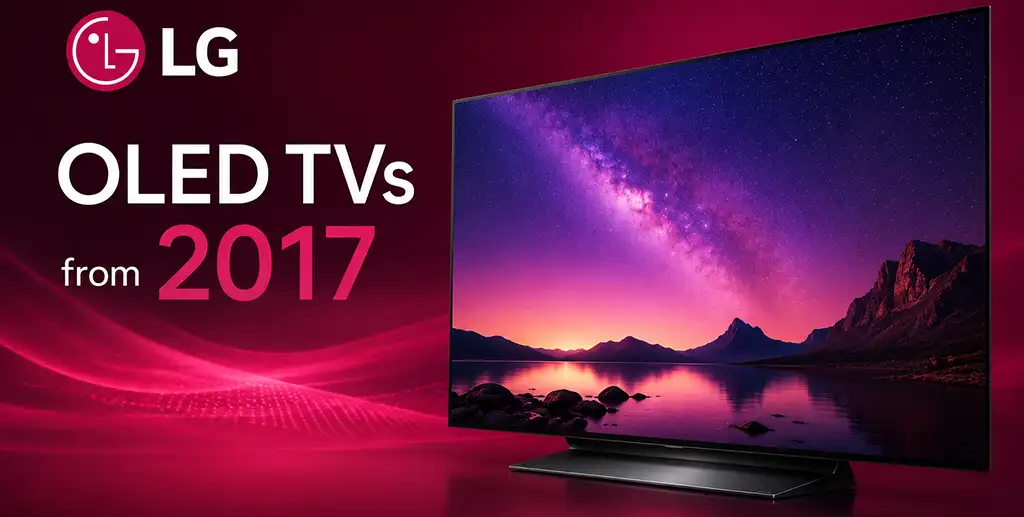
LG was the leading manufacturer of OLED TVs and, in 2017, was virtually the only company producing large OLED panels for televisions. OLED technology offered clear advantages over traditional display technologies, but it also had some drawbacks that manufacturers did not always openly discuss.
The 2017 LG OLED TV models featured third-generation OLED panels. Compared with earlier generations, these panels had been improved to reduce many of the problems previously encountered. However, several limitations and potential issues with OLED technology were still present in the 2017 models.
Common Issues Reported by Owners of 2017 LG OLED TVs
The 2017 LG OLED TVs were praised for their excellent picture quality, deep blacks, and high contrast. However, owners also reported several issues. Some were related to the TV’s software, while others were associated with the characteristics of OLED panels.
Audio and Video Synchronization
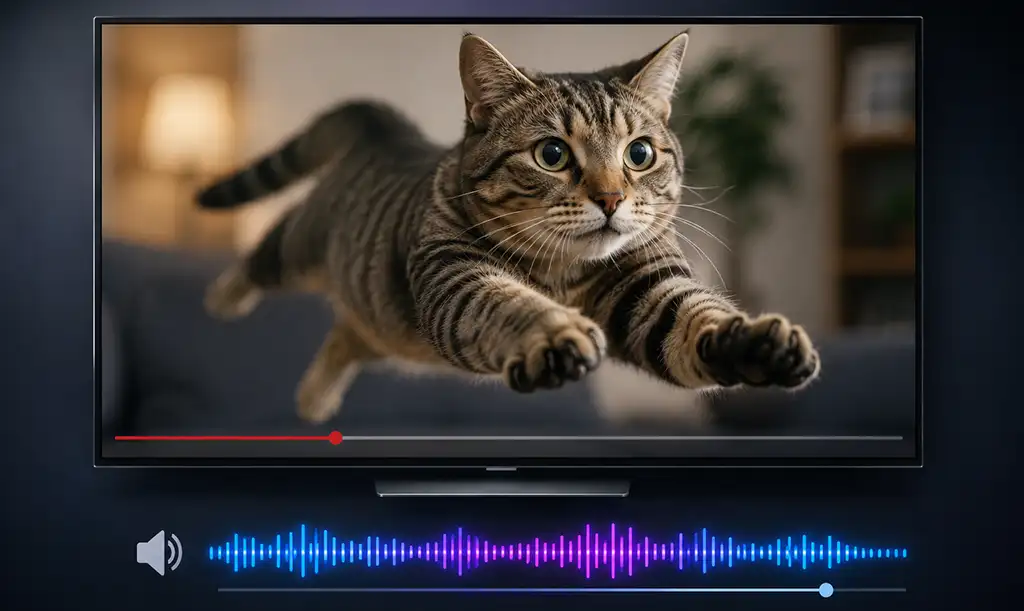
Some owners of 2017 LG OLED TVs reported problems with audio and video synchronization. In some cases, the sound could be slightly ahead of or behind the picture, causing dialogue to appear out of sync with the actors’ lip movements.
LG acknowledged this issue, and software updates were released to address the problem. After updating the TV software, synchronization problems were resolved in many cases.
Problems with OLED Panels
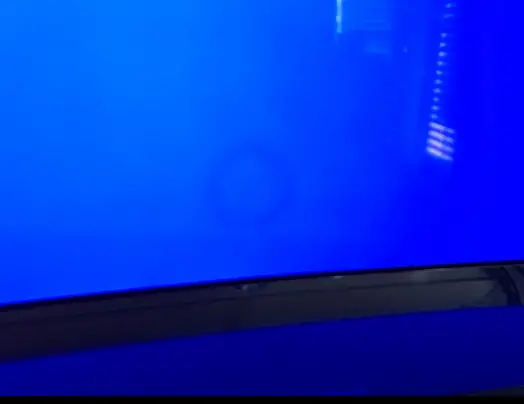
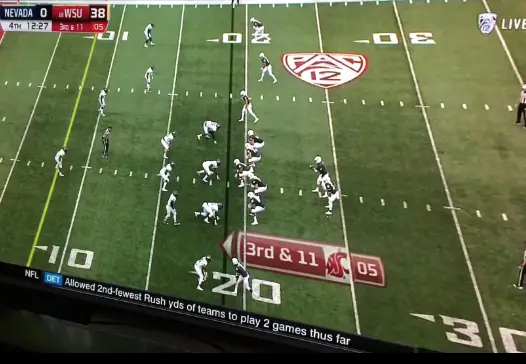
One of the main concerns with OLED technology is image retention and permanent burn-in caused by static images. This can occur when the same image or static element, such as a channel logo or game interface, remains on the screen for extended periods.
Some owners of 2017 LG OLED TVs also reported panel uniformity problems. These could appear as vertical bands, uneven brightness, or differences in color across parts of the screen. Such issues were most noticeable when viewing dark or gray scenes.
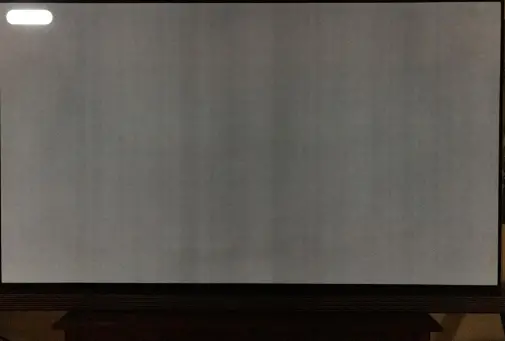
Another reported problem was a reddish or pinkish tint in certain areas of the screen. This effect could be particularly noticeable when displaying white or light-gray backgrounds. Since these issues were related to the OLED panel itself, panel defects could be covered under LG’s warranty, depending on the specific case and warranty terms.
Overall, 2017 LG OLED TVs delivered outstanding picture quality, but the technology still had some limitations. OLED remained one of the most advanced display technologies of its time, offering a level of contrast and black reproduction that conventional LCD panels could not match.