

A smartphone battery is a reservoir of energy. When the charge runs out, it needs to be recharged. In modern smartphones, batteries are usually non-removable and glued to the body. This design protects the phone’s internal components from damage, as the back cover is sealed, making the phone watertight and well-protected against moisture. Batteries can come in interesting shapes; for example, the battery in the iPhone 11 Pro Max isn’t just rectangular—it’s specially designed for maximum energy capacity.
How the user perceives battery performance
From the user’s perspective, a new phone might hold a charge for two full days. For example, if the charge is 100% in the morning, about 50% remains by evening. A year later, the same phone might show only 20% by the end of the day. It may seem like a problem with the phone—perhaps you’ve installed more apps—but in reality, it’s a battery issue; in most cases, the decrease in capacity is the result of natural aging.
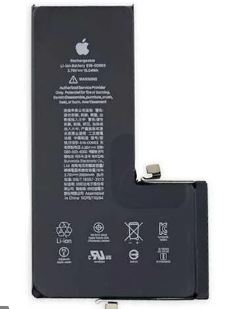
Modern smartphone batteries last a maximum of about seven years, during which they lose roughly half their capacity. On average, a battery functions for three to five years. Lithium-ion materials are the most common; they are efficient, sealed, and safe when manufactured correctly. The average battery can withstand up to 1,000 full charge cycles.
Factors affecting battery life
Battery longevity is influenced by the quality of materials and assembly—good batteries last longer. Manufacturers take this into account and ensure battery reliability for the duration of the device’s warranty (1–2 years). Intensity of use also affects wear—the more often a phone is charged, the faster the battery ages. Even an unused battery loses about 5% of its capacity per year, meaning that after two years, it will have lost about 10%. Fast charging accelerates wear and tear due to high currents exceeding 2 amps, while charging at 1 amp extends battery life but takes longer and is less convenient.
How to extend battery life

Extending battery life in everyday use is nearly impossible. However, small steps can slow down wear and tear slightly: using auto-brightness, closing unnecessary apps, turning off fast charging, and disabling geolocation and Bluetooth when not needed. However, even with strict adherence to all these rules, natural battery aging is inevitable.