

Tag: Technology monitor
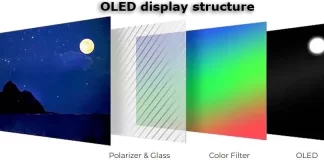
Samsung QD OLED vs OLED – here’s what you need to...
The situation with Samsung's OLED TVs is quite intriguing. If you go to Samsung's US site and search for OLED TVs, the description will...

5K UHD and UHD plus monitors, history of creation explanation
Monitors with 5K (UHD) resolution are not the typical standard resolution, but when they first appeared, companies like DELL introduced their own terms, such...
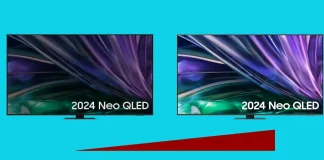
TV and monitor contrast, backlight, and brightness settings
Two main parameters in TVs and monitors significantly affect the quality of the image: brightness and contrast, and there is also a backlight setting...
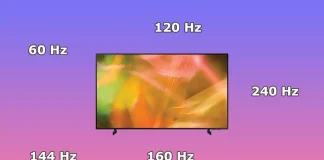
Monitor 144 Hz vs 170 Hz vs 240 Hz, explained
There's not much difference, but there's something you should know.
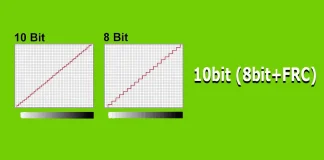
FRC TV and monitor, meaning
Modern monitors and TVs come with a wide range of display options, from budget-friendly to high-end models. A notable segment within these displays includes...
Does it worth buying a 144Hz TV?
144 Hz TV sounds cool. However, it's not that simple. You should think it over a few times before you buy one.
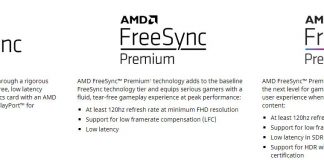
Technology AMD FreeSync 1 vs AMD FreeSync 2 differences, explained
What is FreeSync
FreeSync - technology of frame rate synchronization between the device creating video (computer, game console with monitor or TV). Freesync was invented...

The brightness is typical, peak brightness, minimum brightness of the screen...
What is the brightness of the screen?
There are several parameters in the specifications of TVs or monitors that describe the brightness of the TV...
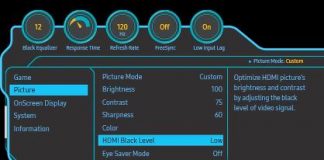
Settings and modes in your Samsung monitor
Samsung monitor has several levels of image settings, the monitor can be customized to your needs. You can change the settings for the most...
Smart Eco Saving what is it in Samsung monitors
Smart Eco Saving is a local dimming technology used in Samsung monitors. The same technology is used in Samsung TVs. According to the manufacturer,...