


How to Use Picture in Picture and Multi View on Samsung...
The Picture-in-Picture (PiP) feature allows you to watch a second video in a small window overlaid on the main image. Modern TVs take this...
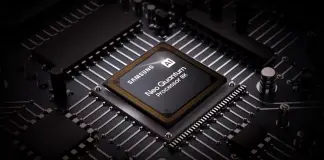
Samsung TV Processors by Year, 2019–2026
Updated October 2026
In recent years, Samsung Neo Quantum processors have evolved into a family of AI-based chips. In 2021, the company announced that the...

How to Play Files from a USB Drive on a TV
TVs are equipped with built-in media player apps that allow you to play videos, view photos, and listen to music directly from a USB...
What NFC is in LG TVs and how to use it
NFC (Near Field Communication) appeared in LG TVs for one simple purpose: to connect a smartphone to the TV quickly, without manual setup. Hold...
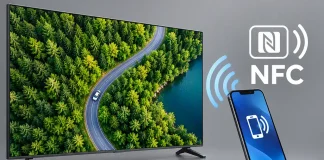
What is NFC in a TV and What is it Used...
NFC (Near Field Communication) is a contactless technology. Two devices exchange small amounts of data when they are brought very close to each other....
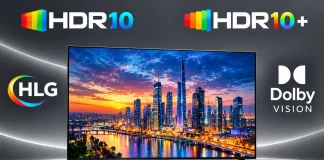
HDR10, HDR10+, HLG, and Dolby Vision, What’s the Difference?
As digital video evolved, resolution and frame rates increased, but image quality remained limited for a long time. Standard video (SDR, Standard Dynamic Range)...
PQI Picture Quality Index Samsung TV
PQI (Picture Quality Index) is Samsung’s proprietary picture quality rating used in the specifications of some older TVs. It is not a refresh rate...
What Is Ultra Color Spectrum on Vizio TVs?
Ultra Color Spectrum is Vizio's marketing name for a wide color gamut: a TV display that can show a wider range of colors than...

DLNA DMP / DLNA DMR / DLNA DMS/DLNA DMC, explanation of...
DLNA (Digital Living Network Alliance) is a set of guidelines that lets devices on one home network share and play videos, music and photos....
SUHD, QLED and Neo QLED Explained for Samsung TVs
Over the past decade, Samsung has used a variety of names for its premium TVs: SUHD, QLED, Neo QLED, QD-OLED, and now Micro RGB....