

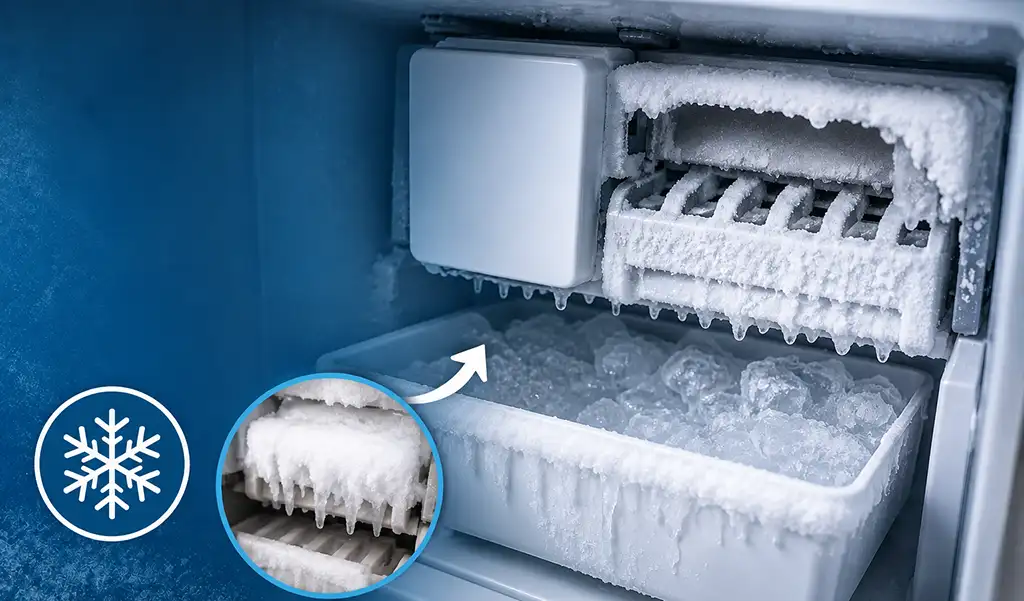
A common problem with refrigerators equipped with an ice maker is excessive ice buildup inside the ice maker. Ice can accumulate around the ice tray, on the mechanism, or in the ice dispenser area. Over time, the ice cubes may stick together and form a single large block of ice, preventing the ice maker from functioning properly. As a result, it stops dispensing ice and becomes unusable.
Sometimes, removing the excess ice and defrosting the ice maker can temporarily solve the problem. However, if the underlying cause is not addressed, the ice may build up again within a few days or weeks.
The most common causes include excessive humidity, an incorrect freezer temperature, drainage problems, too much water entering the ice tray, or a malfunction in the normal ice-making and dispensing cycle.
Before looking at the possible causes, it is helpful to understand how a refrigerator’s ice maker works.
How Does a Refrigerator Ice Maker Work?
Let’s look at a typical refrigerator with an ice maker connected to a water supply. Water enters the refrigerator through the water inlet and usually passes through a water filter before reaching the ice maker. The filter removes impurities and improves the taste of the water.
A water inlet valve controls the water supply to the ice maker. When the ice maker starts a filling cycle, the valve opens and water flows into the ice tray, where it freezes into cubes.
The refrigerator needs some time to reach normal operating conditions after it is first switched on. Depending on the model, the ice maker may not start producing ice immediately and may require several hours before the first cycle.
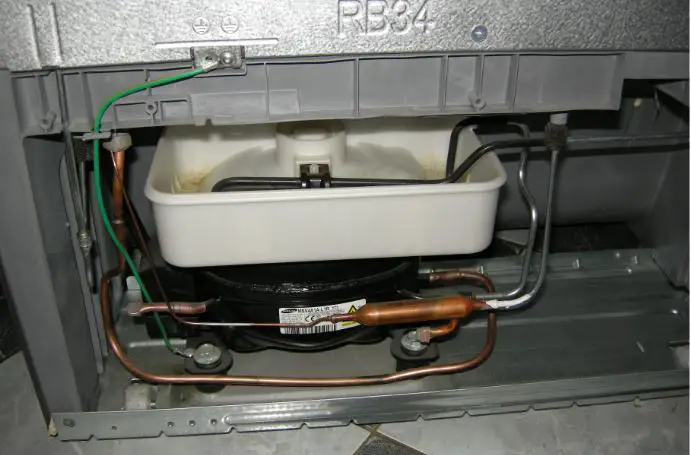
When the ice maker calls for water, the inlet valve opens for a specified amount of time. The amount of water entering the ice tray depends on the valve opening time and the water pressure. If excess water enters the ice maker, it may drain into a collection area inside the refrigerator. In many conventional refrigerator designs, this water eventually reaches the drain pan located near the compressor, where it evaporates.
Why do problems occur with the ice maker?
Problems with an ice maker can occur when any part of the ice-making process is disrupted. The entire cycle is designed to work as a single system, so a problem with one component can affect the operation of the entire ice maker. Possible causes include an incorrect freezer temperature, excessive humidity, a malfunctioning heating element, or ice cubes becoming stuck in the mechanism.
Let’s look at the most common causes.
Freezer Temperature: The first thing to check is the actual temperature inside the freezer. For most household refrigerators, the recommended temperature is around 0°F (-
In most refrigerators, the control system monitors the freezer temperature, but it is still a good idea to check the actual temperature yourself rather than relying solely on the refrigerator’s sensor readings.
If the freezer temperature is too high, the ice maker may not be able to complete its normal cycle. The ice cubes may not freeze properly or may not release from the tray as they should.
If you have recently placed a large amount of food in the freezer, the temperature may temporarily rise. In this case, allow the freezer to return to its normal temperature before checking the ice maker again. The ice maker may not operate normally until the temperature drops back to the proper level.
Excessive Moisture: Excessive humidity is one of the most common causes of ice buildup around the ice maker.
Warm, moist air can enter the freezer through the door when it is opened frequently or when the door gasket does not seal properly. When this moisture comes into contact with the cold surfaces inside the freezer, it condenses and freezes, gradually creating a layer of ice.
Check the freezer door gasket and make sure it is clean, undamaged, and sealing properly. Also make sure that the freezer door closes completely.
Amount of Water Entering the Ice Maker: A specific amount of water should be supplied to the ice maker during each filling cycle. Excess water normally drains into a collection tray located outside the ice maker and then evaporates naturally.
However, if the drain is frozen or clogged, excess water may remain inside the system. This increases the amount of moisture around the ice maker and can gradually lead to the formation of a thick layer of ice.
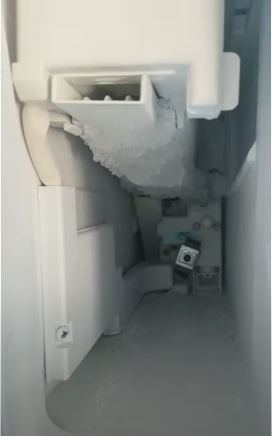
Over time, this ice buildup can interfere with the mechanism and eventually prevent the ice maker from operating properly.
How to defrost an ice maker
If the ice maker is already frozen, allow it to thaw completely before attempting to use it again. Some refrigerators have a forced defrost or service mode, but the procedure for activating this feature varies by model. If your refrigerator supports this function, follow the manufacturer’s instructions.
Do not use a knife, screwdriver, or other sharp objects to break up the ice. Doing so can damage the ice maker, water lines, or electrical wiring. Using a hair dryer is also not recommended. Concentrated heat can warp plastic components or damage temperature sensors. Natural defrosting is safer.
In the past, a simple method was often used to speed up the defrosting process: a container of hot, but not scalding, water was placed inside the refrigerator. The warm air and steam helped melt the ice faster without exposing plastic components to concentrated heat.
Why does the ice maker freeze up again after defrosting?
If the ice maker works normally after defrosting but begins to freeze again after a few days or weeks, there is likely an underlying problem that needs to be identified and corrected. In this situation, professional service may be required.
If the ice maker remains frozen and cannot produce ice, or if the ice cubes repeatedly freeze together into a single block inside the ice tray, the ice maker itself should be checked by a qualified technician to determine whether it is functioning properly.