

What Is Ultra Color Spectrum on Vizio TVs?
Ultra Color Spectrum is a technology name used by Vizio for TVs with an expanded color gamut. The term describes the ability of the...
How to check display quality on a laptop, monitor, or TV
When buying a new laptop, monitor, or TV, you naturally want the device to perform well and be easy to use. One of the...

AI in TVs and Phones, which features really use AI?
AI has become an integral part of marketing for modern smartphones and TVs. Manufacturers advertise AI-powered processors, AI-powered cameras, AI-powered image processing, AI-powered audio,...
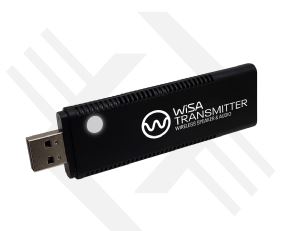
What Is WiSA in TVs and Wireless Speakers?
WiSA is a wireless audio technology designed for transmitting multichannel sound from a TV or another audio source to compatible wireless speakers. It was...

What Is Color Accuracy on LG TVs?
“Color Accuracy” is a term that LG used in the technical specifications of its TVs to describe color reproduction. In later models, LG also...

What Is Peak Illuminator on Samsung TVs?
Peak Illuminator was a Samsung TV picture-processing technology used in some models in the mid-2010s. It was designed to increase the brightness of highlights...

Intense Color vs Nano Color on LG TVs
LG used the terms Intense Color and Nano Color in the specifications of some of its televisions. Both terms refer to color reproduction, but...

What is Real Game Enhancer on Samsung TVs?
Real Game Enhancer is a Samsung gaming feature that combines several functions designed to improve gaming on compatible TVs. Samsung introduced the term with...
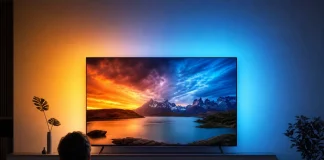
What Is Philips Ambilight and how does it work?
Philips Ambilight is a lighting system built into the back of selected Philips TVs. LEDs mounted behind the screen project colored light onto the...

Netflix Calibrated Mode on Sony TVs, what it is and how...
Netflix Calibrated Mode is a picture mode available on selected Sony TVs. It was developed by Sony in cooperation with Netflix to reproduce Netflix...