

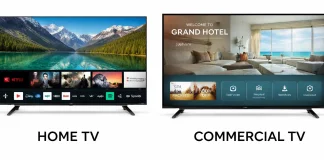
Commercial vs Home TVs, what is the difference?
Televisions are designed for different operating conditions and purposes. Manufacturers generally divide them into two main categories: consumer TVs for home use and commercial...

What is Wi-Fi Smart Screen on Philips TVs
Wi-Fi Smart Screen is a feature found on some Philips TVs that lets you watch the TV picture on a smartphone or tablet over...
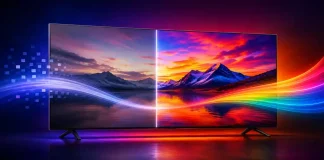
Samsung PurColor What Is It? Technology explained
PurColor is an image-processing technology developed by Samsung to improve color reproduction on TV screens. Designed for Samsung TVs running the Tizen operating system,...

Refresh rate vs TruMotion TV LG
In the technical specifications of LG TVs, you will often come across two terms: Refresh Rate and TruMotion. Although they may appear to describe...
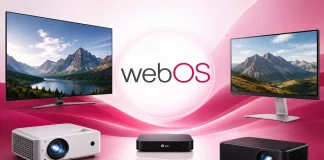
The history of LG webOS for Smart TVs
In January 2014, at CES 2014, LG announced that its new TVs released in 2014 would use the new webOS platform. The TVs were...
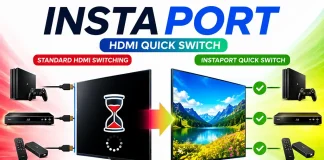
What Is HDMI Quick Switch (InstaPort)?
HDMI Quick Switch, also known as InstaPort, is a technology designed to significantly reduce the time it takes for a TV to switch between...

Description of Ports on the Apple MacBook Laptop
Over the years, Apple MacBook laptops have featured a wide variety of ports. As technology has evolved, Apple has gradually replaced outdated ports with...
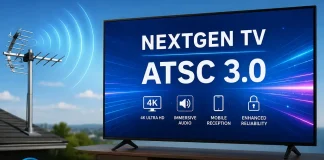
NEXTGEN TV and ATSC 3.0, what are these standards?
In the U.S., you’ll often encounter two terms: NEXTGEN TV and ATSC 3.0. A lot has been written about them, but it’s not always...

Quad Step Noise Reduction LG TVs, what it is.
LG advertises some of its TVs as featuring “Quad Step Noise Reduction”—a four-stage image processing system. At first glance, this sounds like a significant...
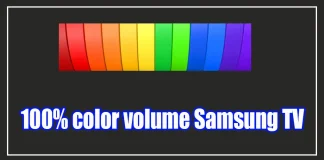
The meaning of ‘100% colour volume’ in Samsung QLED TVs
Until 2020, Samsung clearly specified the color depth of its TV panels, making it easy to determine whether a model featured a true 10-bit...